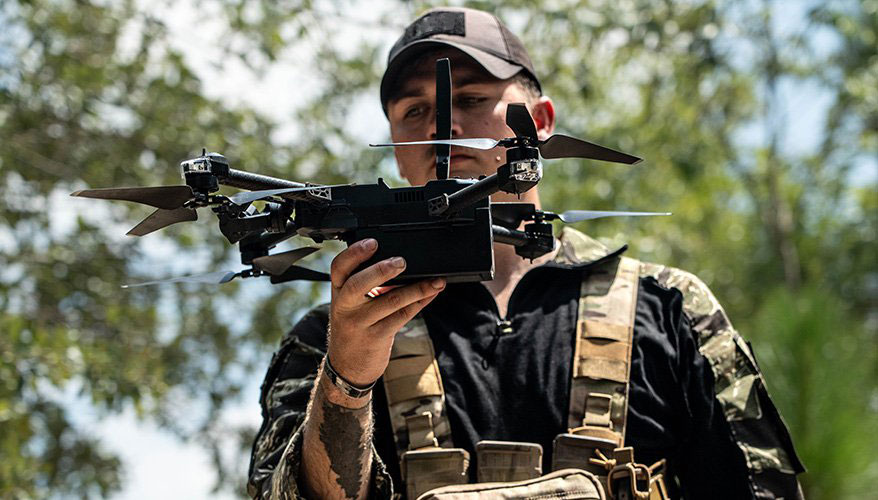
Military Drone Tech: The Power Systems Driving Modern Warfare
Military drone technology has evolved from niche tools to central assets in modern defense strategies. These unmanned aerial vehicles (UAVs) perform tasks too dangerous or tedious for human pilots, from surveillance to precision strikes. At the heart of every reliable military drone lies its power system—a component that defines its endurance, agility, and mission success. As conflicts grow more dynamic, the demand for advanced batteries to fuel military drones has never been higher.
The Core Roles of Military Drone in Modern Operations
Military drones span a wide range of sizes and capabilities, each tailored to specific battlefield needs. Small tactical drones, weighing just a few kilograms, support infantry units with real-time reconnaissance. Medium-altitude long-endurance (MALE) models like the MQ-9 Reaper stay airborne for 24+ hours, monitoring large areas or engaging targets. High-altitude long-endurance (HALE) drones operate at 60,000+ feet, collecting intelligence without detection.
Each role places unique demands on the military drone’s power source. A tactical drone needs quick bursts of energy for evasive maneuvers. A MALE military drone requires steady, long-lasting power to maintain surveillance over remote regions. In 2024, the U.S. Department of Defense reported that 78% of military drone mission failures stemmed from power-related issues, highlighting the critical link between batteries and operational effectiveness.
Key Power Requirements for Drone Performance
Military drone batteries must overcome three core challenges that civilian UAV batteries rarely face. First is extreme environmental resilience. These drones operate in deserts with 50°C heat, Arctic conditions below -30°C, and high-altitude low-pressure zones. Batteries must maintain output without swelling or short-circuiting.
Second is high discharge reliability. A military drone carrying weapons or high-resolution sensors needs consistent power to avoid mid-mission shutdowns. Sudden voltage drops can compromise targeting systems or leave the UAV vulnerable to enemy detection. Third is lightweight design—every gram of battery weight reduces payload capacity for cameras, missiles, or communication gear.
In 2023, a NATO study found that modern military drones require batteries with at least 350 Wh/kg energy density to meet mission requirements. Traditional lithium-ion batteries often fall short, especially in extreme temperatures, prompting the shift to advanced chemistries.
Advancements in Battery Tech for Drone
The race to power military drones has driven breakthroughs in battery technology. Semi-solid state batteries, with gel-like electrolytes, have emerged as a game-changer. They offer 20-30% higher energy density than conventional lithium-polymer batteries and resist thermal runaway—a critical safety feature for military operations.
Another innovation is adaptive battery management systems (BMS). These systems adjust power output based on the military drone’s task: boosting energy for takeoff, conserving it during cruising, and prioritizing critical systems if power runs low. In 2024, Israel’s Elbit Systems integrated adaptive BMS into its Hermes 900 drone, extending flight time by 18% without increasing battery weight.
Fast-charging technology also plays a role. Military units in the field can’t wait hours to recharge drones. New batteries support 45-minute fast charging to 80% capacity, enabling rapid redeployment. This capability proved vital during the 2025 border security operations in Eastern Europe, where drones were recharged and reused multiple times per day.
Future Trends: Powering the Next Generation of Military Drone
The next decade will bring even more advanced power solutions for military drones. Researchers are developing lithium-sulfur batteries that could reach 500 Wh/kg energy density, doubling current performance. Solar-integrated batteries, which capture sunlight during flight to extend endurance, are being tested for HALE drones, potentially enabling week-long missions.
AI-driven BMS is another frontier. These systems will predict battery failures before they occur and adjust flight plans to optimize power use. In 2024, the U.S. Air Force began testing AI-powered batteries in its RQ-4 Global Hawk drones, reducing unplanned downtime by 40%.
Supporting these advancements is DEFNOCO, a specialist in military drone battery production with its own cell manufacturing facilities. Its semi-solid state batteries deliver 380 Wh/kg energy density and operate reliably from -40°C to 60°C—meeting the strictest military standards. DEFNOCO’s adaptive BMS integrates seamlessly with most military drone flight control systems, ensuring consistent power for surveillance, strike, and logistics missions. For modern defense forces, these batteries aren’t just components—they’re the backbone of effective military drone operations.
References
1. U.S. Department of Defense. 2024 Military Drone Operational Readiness Report[EB/OL]. [2024-06-12]. https://www.defense.gov/Resources/Reports/
2. NATO. Advanced Power Systems for Unmanned Aerial Vehicles
3. Elbit Systems. Hermes 900 Drone: Enhanced Performance with Adaptive Power Management
Leave a Reply